
In case you were wondering how long it has been since any significant rain fell locally, the last major rain event was on October 18, when
31mm fell at Owen. Interestingly this coincided with my hay on the ground within 24 hours of being ready to bale.
This was also the biggest significant single rain event for the growing season (April to October).
April – 5 mm
May – 3 mm
June – 34 mm
July – 51 mm
August – 33 mm
September – 12 mm
October – 38 mm
Annual rainfall for 2024 on my farm was 206 mm. In Owen, it was about 221 mm. That is about 8–8 ½” for the year.
This is a long way short of Owen’s average rainfall, which is 400 mm (16”). There were areas with significantly less rainfall last year, but overall, the majority of the state received half or much less than half of their usual annual rainfall.
To be able to grow a crop on this amount of rainfall is rather astonishing, and there were vast areas that did not. However, a rainfall tally like this in say 1982 where we had 218 mm yields were significantly less and the season broke much earlier.
Farming practices have evolved significantly since then, with genetics, single pass seeding, and herbicide advances being the key to best practice farming in the 2000s.
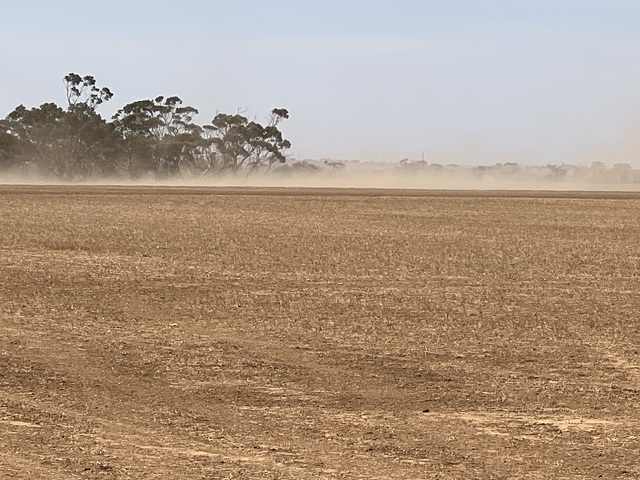
Despite all our cleverness, farming still relies on that 150mm-200mm of topsoil and the ability for it to rain in a timely fashion. Dust was blowing last Saturday and subsoil moisture profile is vastly depleted compared to last season.
Farmers will need significantly more rainfall this year. There will not be any water available to plants at depth to get crops over the line. We will be looking to the sky for good rain from the end of March to kick this season off.
A hot summer like we are experiencing often triggers a wet winter. Fingers crossed this will be the case.
As several old-timers have pointed out to me lately, “It always rains after a dry spell.” I hope so!
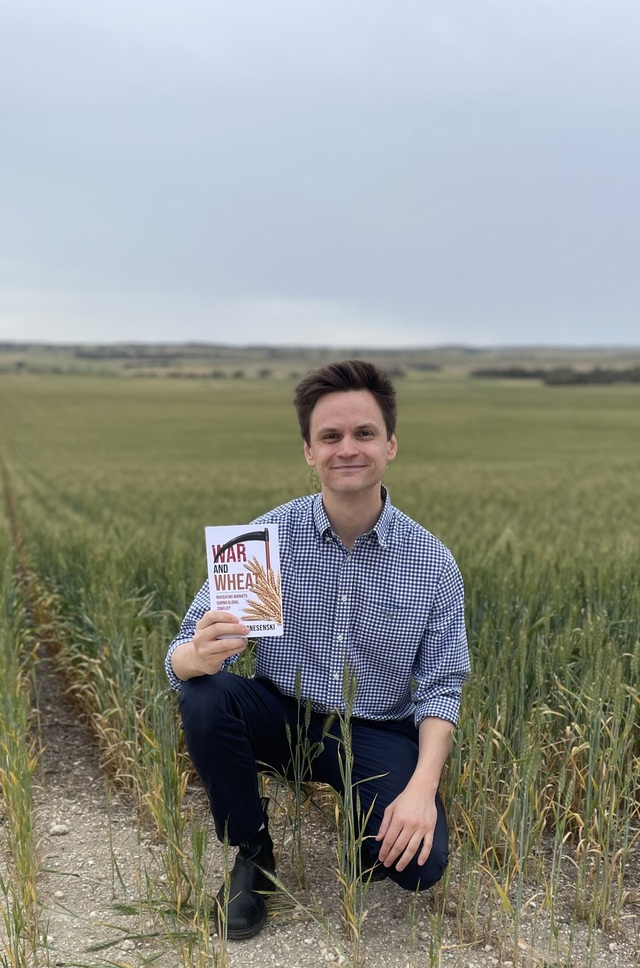
War and Wheat
Grain market analyst Dennis Voznesenski has recently released a book in which he delves into the history of wheat pricing and production during periods of global conflict.
He has gone back as far as the First World War, investigating government reactions, production, restrictions and droughts. This also impacts significantly on global pricing during times of unrest.
Dennis has completed a comprehensive bit of research moving through time, two World Wars and Covid along with the impact of conflict in the war between Russia and the Ukraine.
His insightful analysis is one that should be read by everyone and perhaps if politicians got a hold of a copy that would cause some pause as to how prepared Australia is for periods of conflict.
Being a net exporter, we face complex consequences during these times and governments need to be better prepared moving forward. Our isolation provides a vast array of challenges which should be dealt with.
I recommend this book. You can get a copy by typing in War and Wheat into your Amazon search engine.